
Unlocking Creativity and Movement Through Loose Parts Play

GippSport, through its Regional Sport Partnership with VicHealth, identified an opportunity to reimagine how physical literacy could be delivered to young children and families across Gippsland.

Recognising that structured, adult-directed programs were not always accessible or engaging for all children, GippSport adopted the Loose Parts Play approach: an established, open-ended, play-based model designed to build movement skills, creativity and social connection through child-led exploration.

The project was delivered across Wurruk, Swan Reach, Warragul and Inverloch, reaching children aged 18 months to 12 years through community playgroups and school holiday programs. This initiative reflects GippSport’s commitment to making physical activity accessible, joyful and meaningful for children, young people and families across the region.

What is Loose Parts Play?

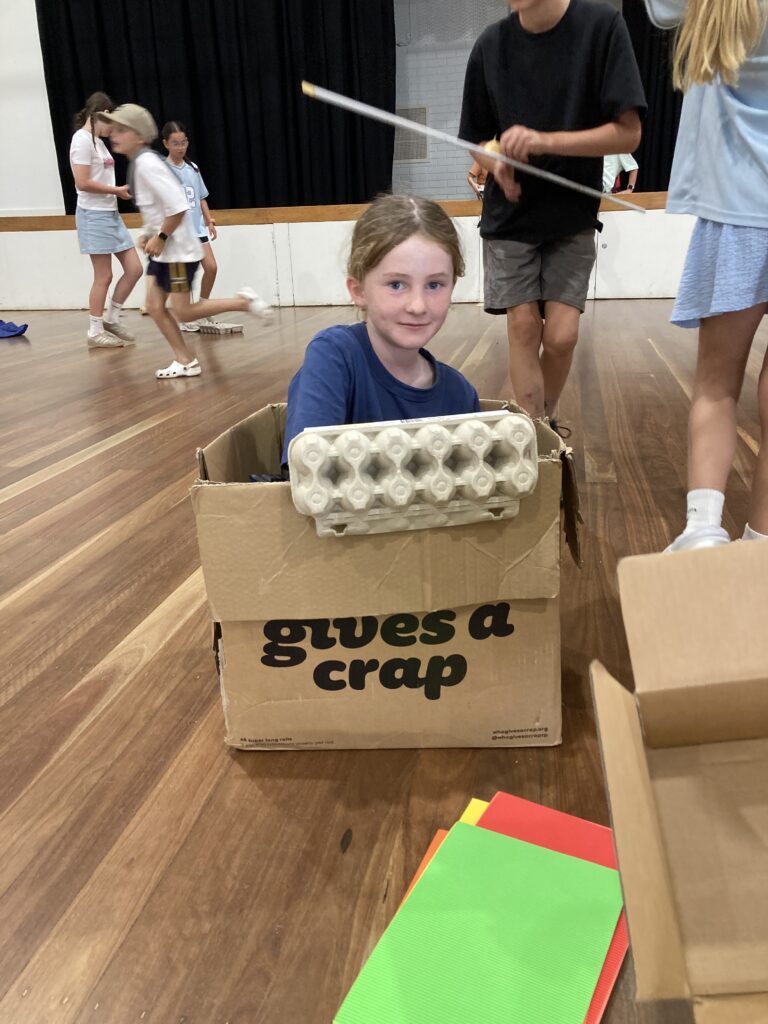
Loose Parts Play is an open-ended, child-led approach to physical activity and learning that uses everyday, non-traditional materials: things like wooden blocks, fabric, pipes, keyboards, food boxes, egg cartons and natural objects, as the tools for play. Unlike structured programs with fixed outcomes, Loose Parts Play has no pre-determined way to participate. Children decide what to build, create or explore, and how to engage with the materials and with each other.

The concept draws on the principle that the more open-ended a material is, the more creative and developmental value it holds. When children are free to transform ordinary objects into anything their imagination desires, they naturally develop physical literacy, problem-solving skills, social confidence and emotional resilience, all through the joy of self-directed play.

The adult’s role shifts from instructor to facilitator: providing materials, creating a safe environment, and stepping back to let children lead. This approach is flexible, low-cost and adaptable to almost any setting, from a community hall to a beach.
WATCH: Loose Parts Play in Action

Why This Mattered

Traditional physical literacy programs, while valuable, typically rely on structured, instructor-led sessions with specific equipment and pre-planned activities. For many children, particularly those in rural and regional communities, these formats can create barriers to participation. Some children find structured programs intimidating or overly prescriptive, and families may feel pressure to purchase expensive equipment or enrol in formal programs to support their children’s development.

Across the Gippsland region, GippSport observed a gap in play-based physical activity opportunities that were flexible, low-cost and genuinely child-centred. Early Learning Centres (ELCs) and primary schools were interested in supporting physical literacy but faced limitations in resources, confidence and programming diversity. At the community level, families lacked accessible options that blended movement, imagination and social connection without requiring financial investment.

There was also a broader challenge around mental models. Both educators and families often equated physical development with formal sports or expensive playground equipment. This made it difficult to recognise the developmental value of everyday, imaginative play. GippSport saw an opportunity to shift this thinking and demonstrate that meaningful physical literacy experiences could be created from ordinary household materials, building capacity and confidence across the community.

Less Instruction, More Imagination

GippSport adopted and facilitated the Loose Parts Play approach as part of its community-based physical literacy programming. Rather than delivering a fixed curriculum, GippSport took a facilitative approach, curating kits of open-ended, non-traditional play materials and creating safe, supportive environments where children could lead their own play.

Materials included everyday and repurposed items such as:

  • Keyboards, phones, cameras and reading glasses
  • Wooden blocks, pipes and fabric offcuts
  • Food boxes, egg cartons, old microwaves and coffee cups
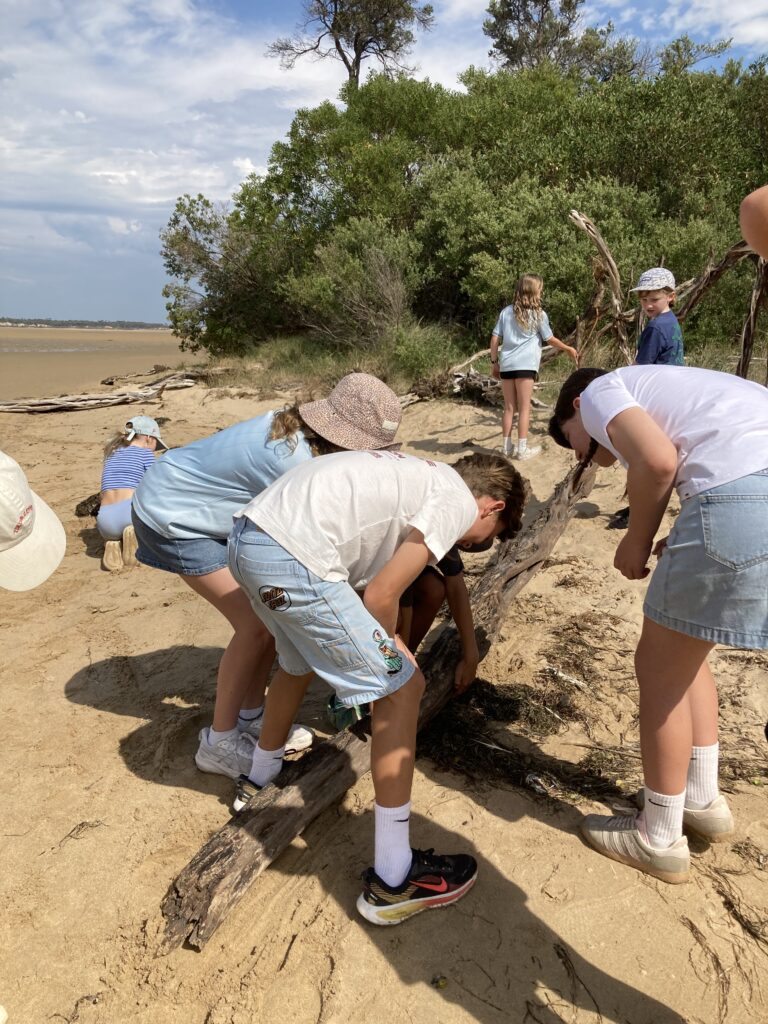
  • Natural materials collected from the environment (including a beach session at Inverloch)

Sessions were structured around two simple rules: items can bump items but not people, and packing up is a group effort. Beyond these guidelines, children were free to explore, create and collaborate entirely on their own terms. GippSport staff shifted their role from instructor to facilitator, observing and supporting rather than directing.

Sessions were deliberately delivered across a variety of community settings, including playgroups, school holiday programs and a beach-based session, to test the model’s adaptability and reach different population groups. With 25–50 participants at each session, GippSport also engaged parents, grandparents and caregivers as active participants, modelling simple, low-cost play and strengthening family bonds.

My granddaughter is not allowed to play with keyboards at home as they are her parents’ work stuff and not allowed to touch them. It’s been great to see her play.

GippSport worked closely with educators at ELCs and primary schools throughout the project, sharing observations and fostering dialogue about child-led learning and physical literacy. This collaborative approach ensured the work was embedded in existing community relationships and built local capacity for sustaining open-ended play practices.

What We Saw

The Loose Parts Play Project generated meaningful outcomes across physical development, social connection, educator practice and community attitudes toward play.

Physical and developmental gains

Across all sessions, children naturally engaged in fundamental movement skills, including lifting, pushing, pulling, running, jumping and balancing, without any adult direction. Older children engaged in more complex physical challenges such as building structures and testing their balance, while younger children explored sensory and fine motor experiences. Critically, these movements emerged organically through curiosity and play, demonstrating that physical literacy can be developed outside of formal instruction.

Social connection and collaboration

Children consistently demonstrated turn-taking, negotiation, collaborative storytelling and mixed-age mentorship. Sessions saw children across gender and age groups working together to create elaborate imaginative scenarios, from wedding ceremonies with props to DJ decks built from coffee trays. These interactions broke down social barriers and fostered genuine connection between participants who may not have otherwise engaged together.

Shifting educator practice

One of the most significant outcomes was the growing interest from ELCs and primary school educators in adopting loose parts play into their own programming. Several expressed intent to create their own kits or incorporate regular sessions into their timetable, a clear indicator of a shift in practice and thinking.

We focus on enabling them to problem solve themselves.

Changing community attitudes

Parents and caregivers left sessions with a refreshed understanding of play. Multiple families commented on the accessibility of the materials, recognising that items already in their homes could support rich, developmental play experiences. This shift in understanding reduced perceived financial barriers to supporting children’s physical development and empowered families to create play opportunities at home.

This proves that play equipment doesn’t have to be expensive

It’s simple stuff that we would have at home and means we don’t have to buy toys.

Lessons from the Field

The Loose Parts Play Project demonstrated the power of simplicity and child-led design. The absence of prescribed outcomes was initially a risk for both GippSport staff and participants unfamiliar with unstructured play, but this open-endedness proved to be the project’s greatest strength. Allowing children to lead created more genuine engagement, richer social interaction and deeper developmental outcomes than a structured program might have achieved.

One key learning was the importance of facilitator confidence and preparation. Staff needed to resist the instinct to direct and instead trust the process. In future iterations, additional training and reflective practice for facilitators could deepen this approach.

The diversity of settings, from community halls to a beach, was also a valuable insight. Natural materials and open spaces amplified children’s creativity and engagement, suggesting that future sessions would benefit from intentionally varied environments. GippSport also noted the importance of engaging caregivers not just as observers but as active participants, which strengthened the impact on family attitudes toward play.

Looking Ahead

GippSport aims to grow the Loose Parts Play Project across more communities in Gippsland, with a particular focus on building the capacity of ELCs and primary schools to run their own sessions independently. Several educators have already expressed interest in establishing their own loose parts kits, which would embed this approach into regular programming and create sustainable, long-term impacts on children’s physical literacy and wellbeing.

GippSport also sees potential for the model to be adapted for different population groups, including families with children who have additional needs, and older children seeking more complex physical challenges. By continuing to share learnings from this project, GippSport hopes to contribute to a broader shift in how physical literacy is understood and delivered across the region, making active, joyful play accessible for every child, regardless of background or resources.

Bring Loose Parts Play to Your Community

Interested in running a Loose Parts Play session, building your own kit, or finding out how GippSport can support play-based physical literacy in your school, club or community? We’d love to hear from you.

↓  Fill out the form below to get in touch  ↓

Need more information?

GippSport acknowledges the Traditional Custodians of the land on which we live and work, The Bunurong Peoples, Gunaikurnai Peoples and other traditional owner groups of the Gippsland/East Gippsland Region.  We recognise their ongoing connection to the land, waters and community, and pay our respects to Elders past, present and emerging and the ongoing living culture of Aboriginal & Torres Strait Islander people.

GippSport is committed to making a positive contribution to the wellbeing of Aboriginal and Torres Strait Islander people and working in solidarity towards reconciliation.

GippSport – Gippsland Sports Assembly Inc.
PO Box 741, Traralgon, VIC, Australia 3844
Traralgon Sports Stadium, Catterick Cres, Traralgon